
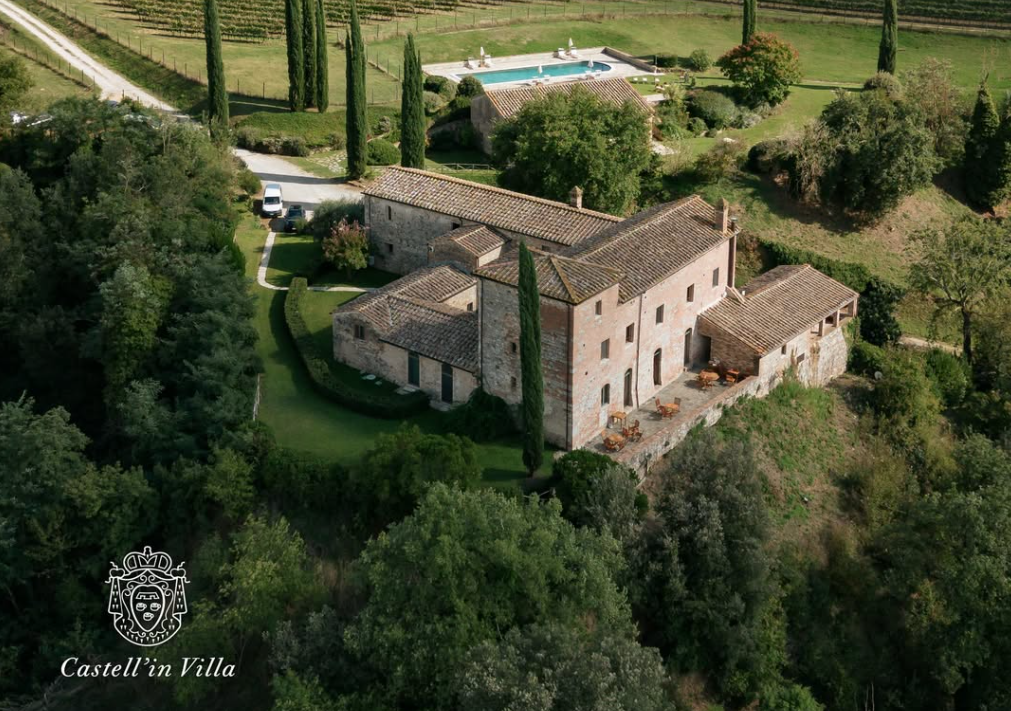
 Castell’in Villa is a historic estate in the southern part of Chianti Classico, in the Castelnuovo Berardenga district of Tuscany. A medieval village and a 13th-century farmhouse sit on a hill surrounded by vineyards, olive groves, and woodland. Its modern identity was shaped in 1968, when Princess Coralia Pignatelli della Leonessa and her husband acquired the property. At the time, there was only one hectare under vine, and the couple initially thought they might make wine “for fun.”
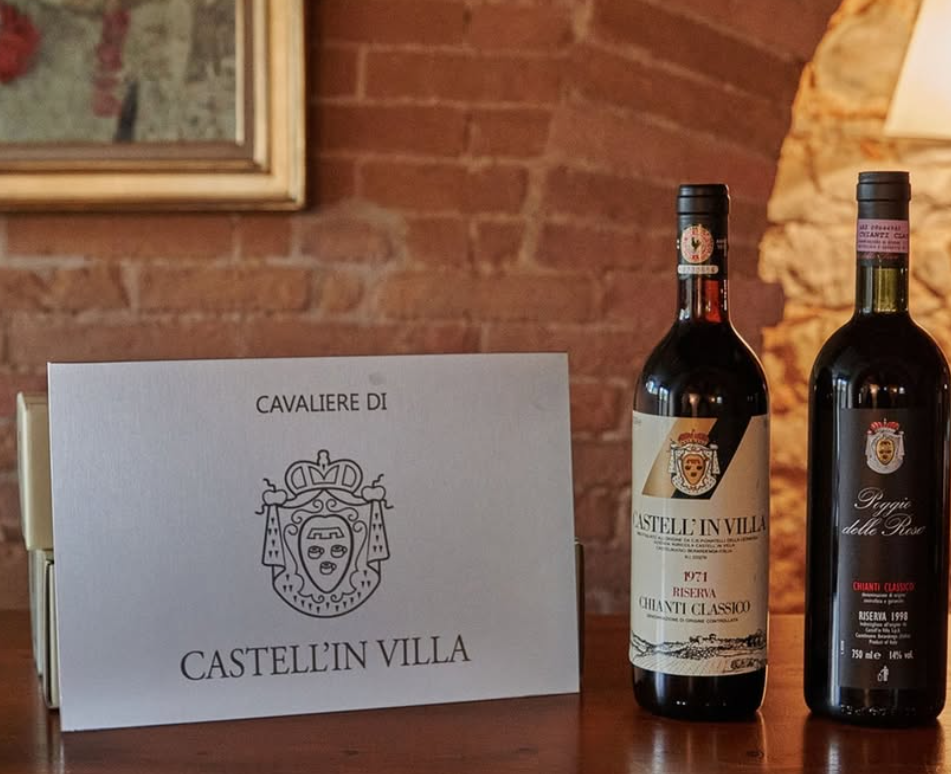 What began modestly became one of the denomination’s most uncompromising traditionalists. Following advice from the Chianti Classico Consorzio, the estate eliminated white grapes and moved toward 100% Sangiovese. The 1971 Chianti Classico Riserva, its first Riserva, still contained white grapes—a final trace of the old custom. Over the decades, Princess Coralia, now in her 80s and still living in the old village tower, remained the guiding force, blending the wines herself and resisting passing trends.
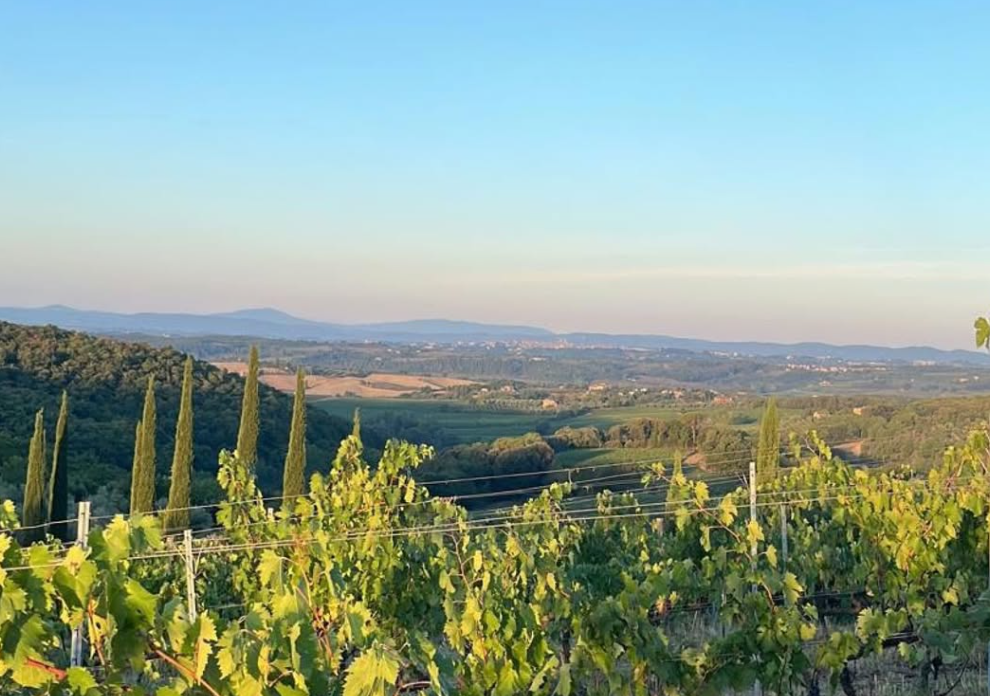 The property extends over 298 hectares, of which about 54 hectares are vineyards and 32 hectares are olive groves, with the rest given to forest that preserves an intact, biodiverse environment. The vineyards are divided into eight parcels, each with a different microclimate and soil composition. The soils are mainly alluvial, with pebbles and sand, though the Poggio delle Rose site also contains clay and limestone. Most vineyards face south, interspersed with olive groves and forest. Sangiovese is grown almost exclusively, with careful attention to the ecosystem.
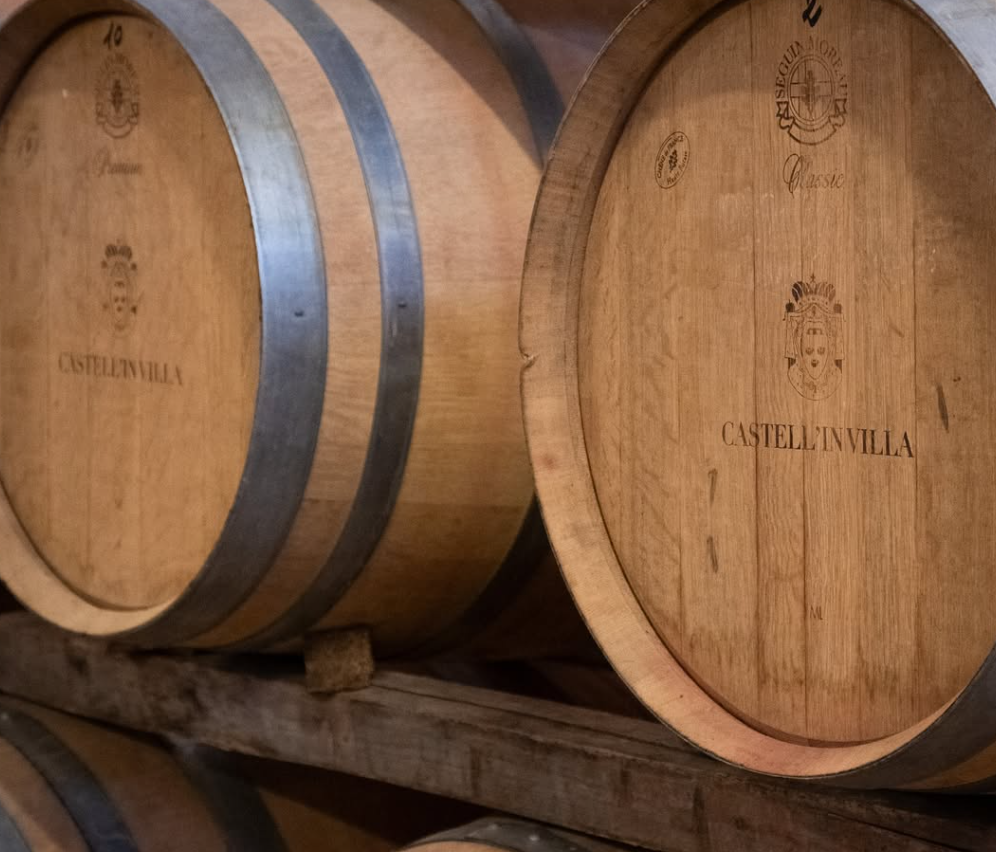 In the cellar, the philosophy is deliberately slow. The Chianti Classico and Riserva are fermented in stainless steel with indigenous yeasts, then aged in large Slavonian oak casks for extended periods—typically 24 to 36 months for the Riserva. The estate became known for resisting modern trends, favoring long fermentations, extended oak aging, and a firm, age-worthy structure rather than fruit-forward accessibility. Releases are often held back in bottle an extra year or two beyond most peers, so the wines arrive with added complexity.


APRITALY:
AGENZIA PROMOZIONE IMPRESSE ITALIANE



 WINERY PRESENTATION