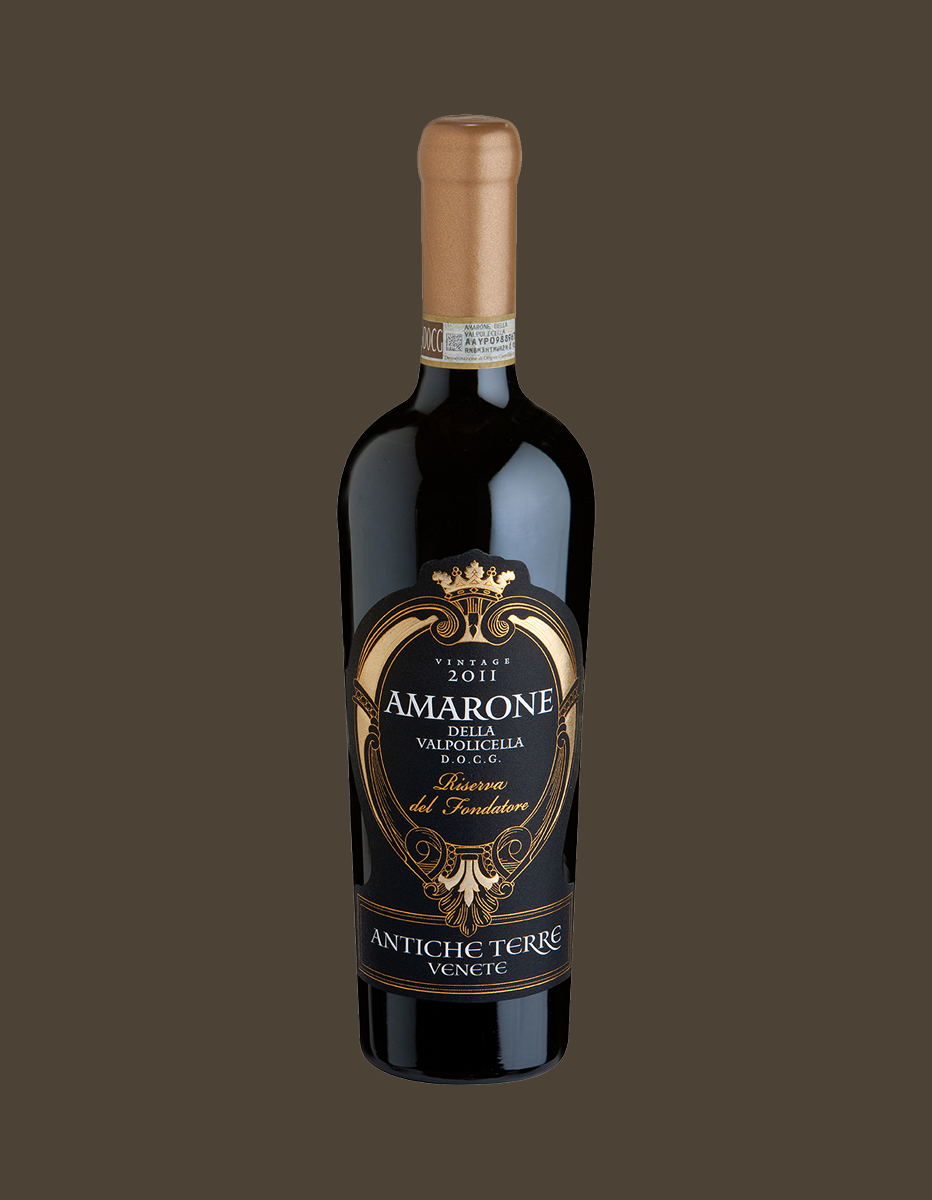
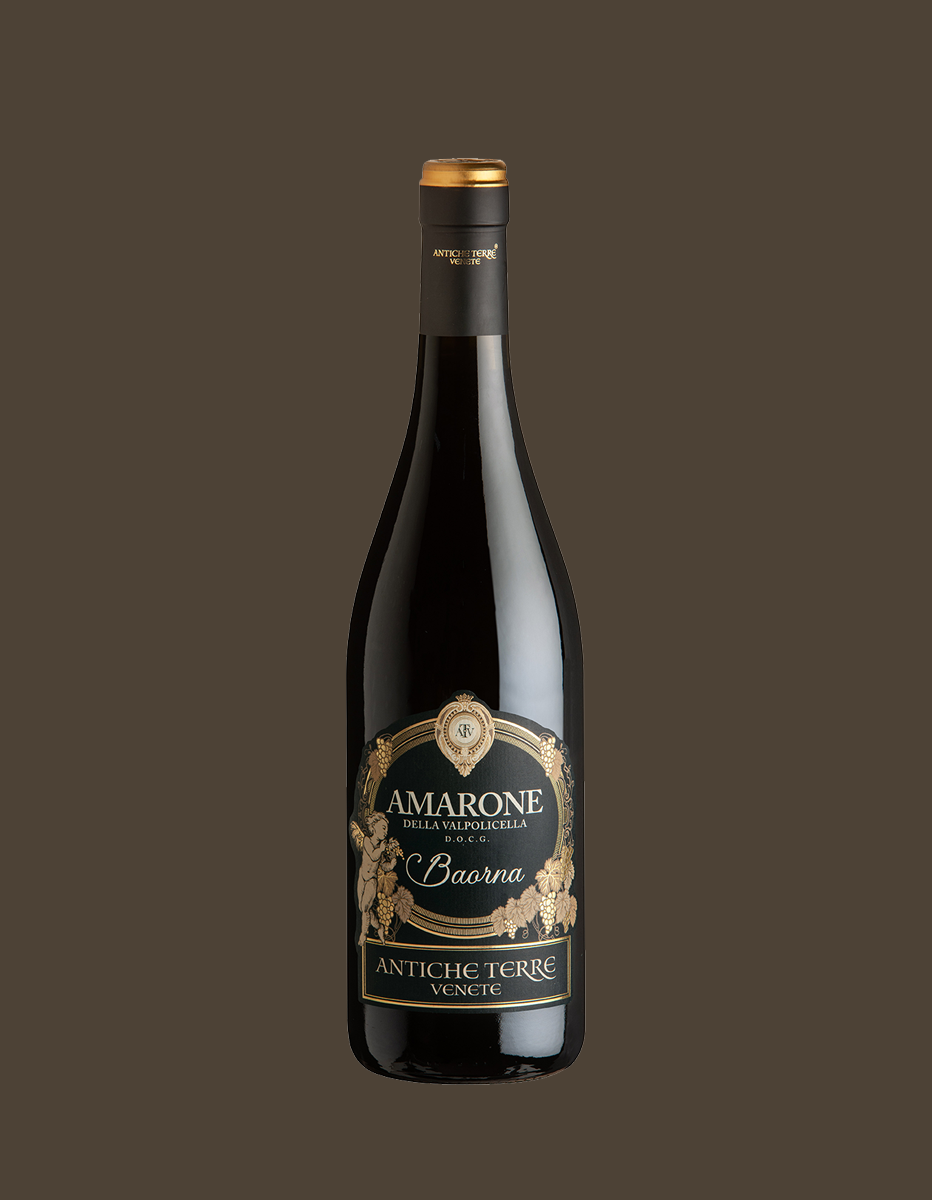
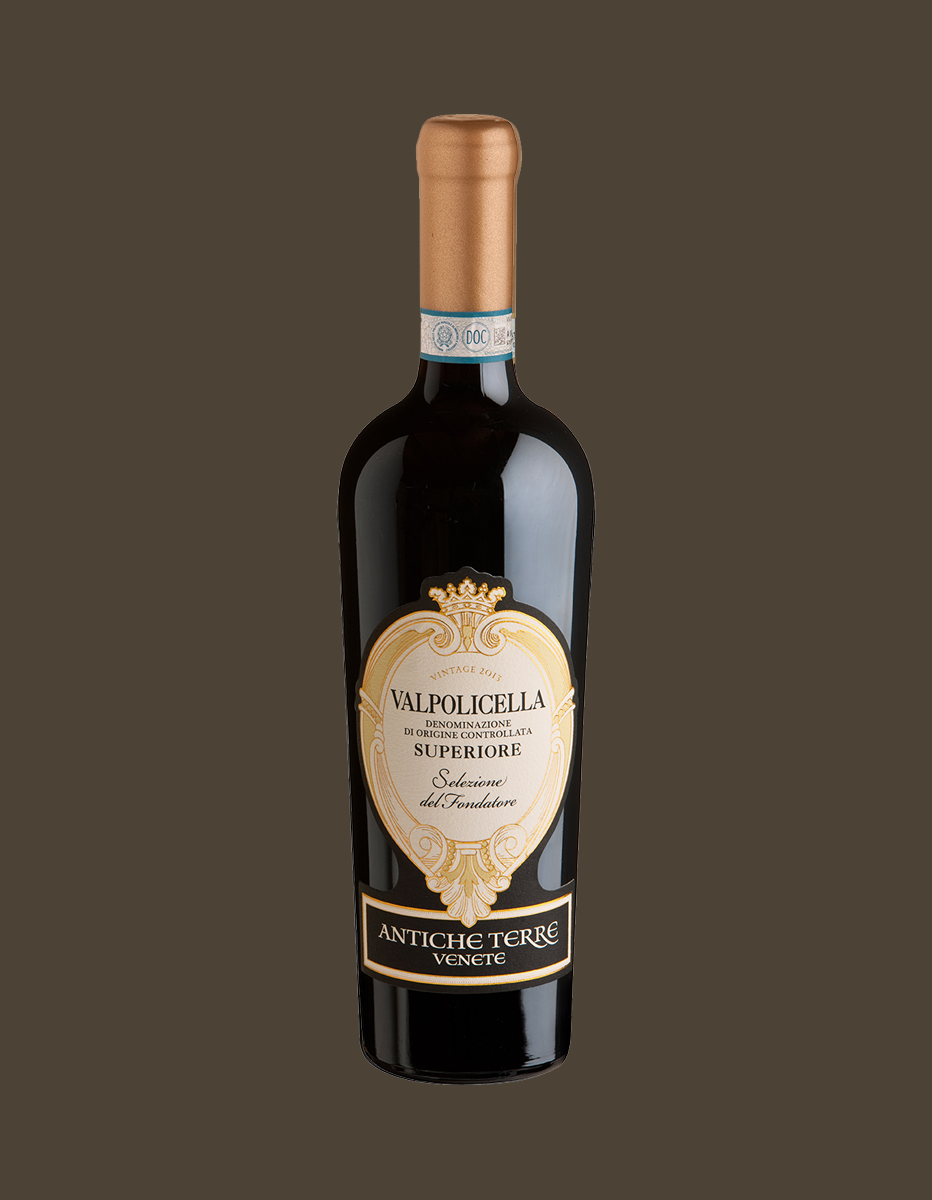
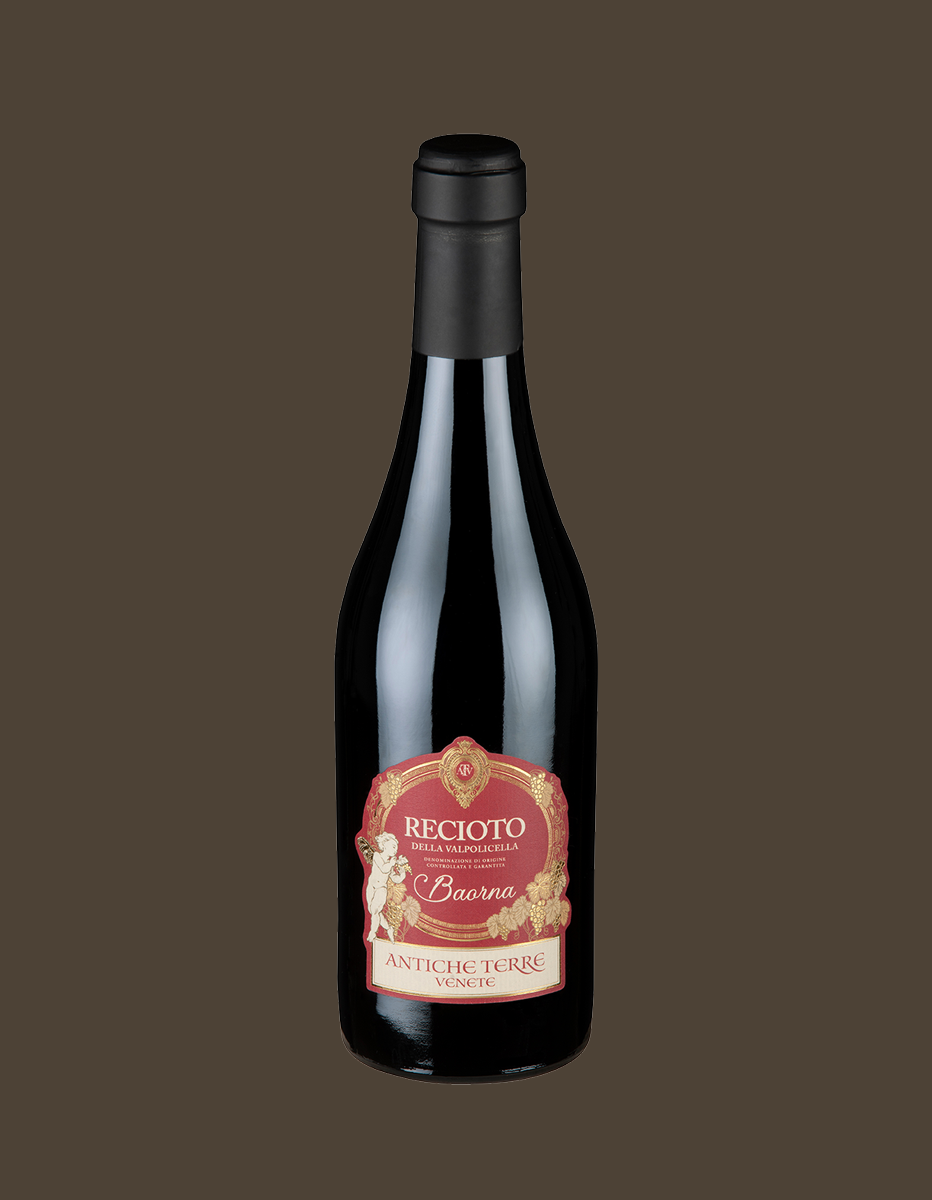
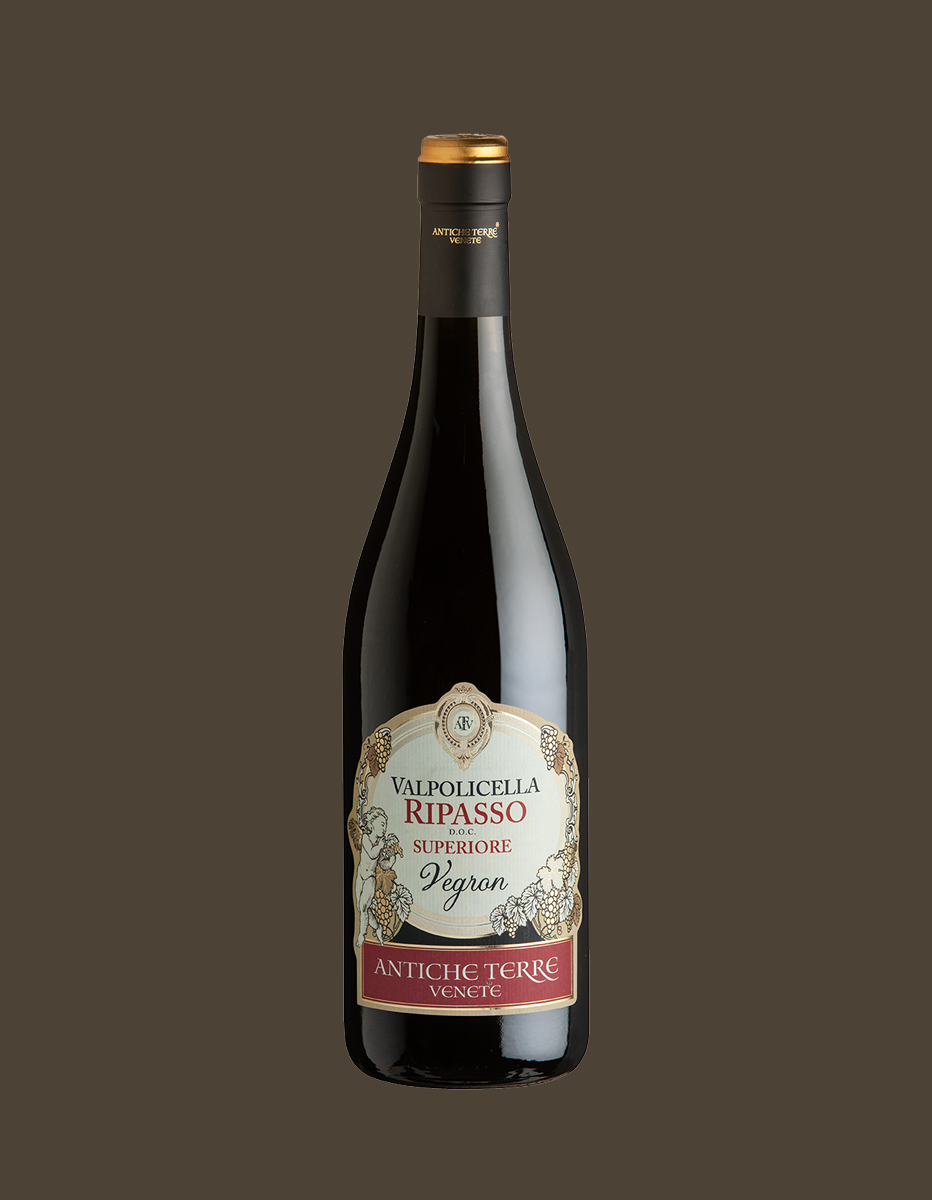
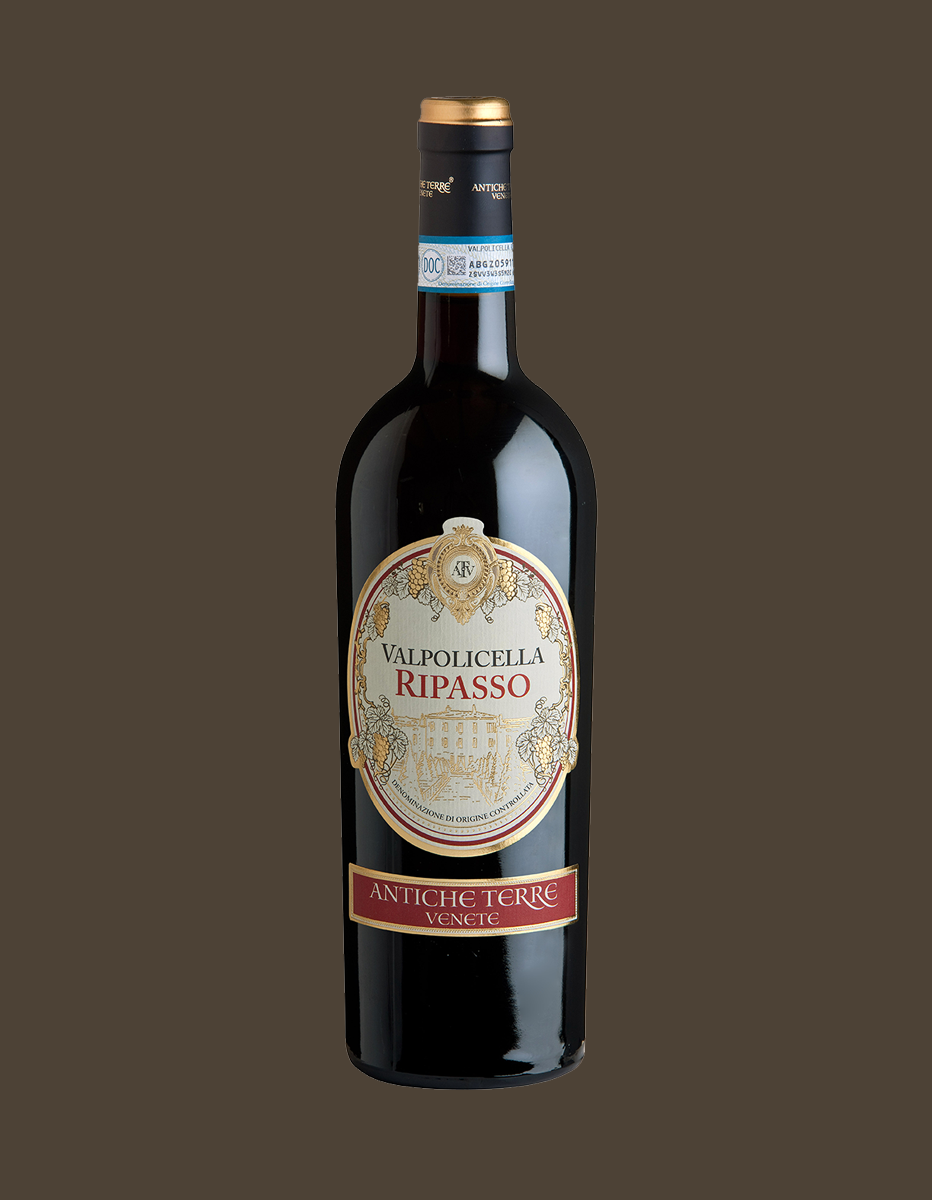
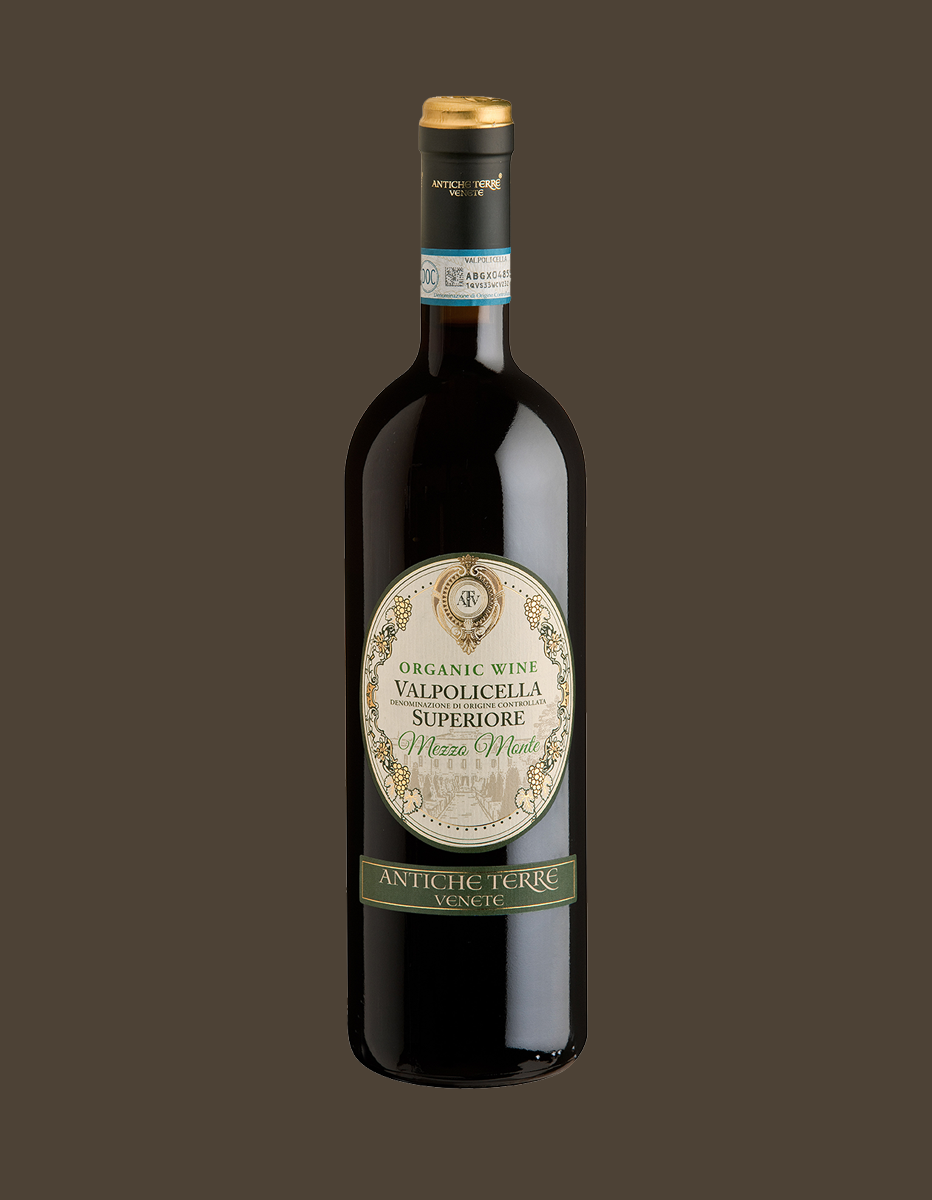
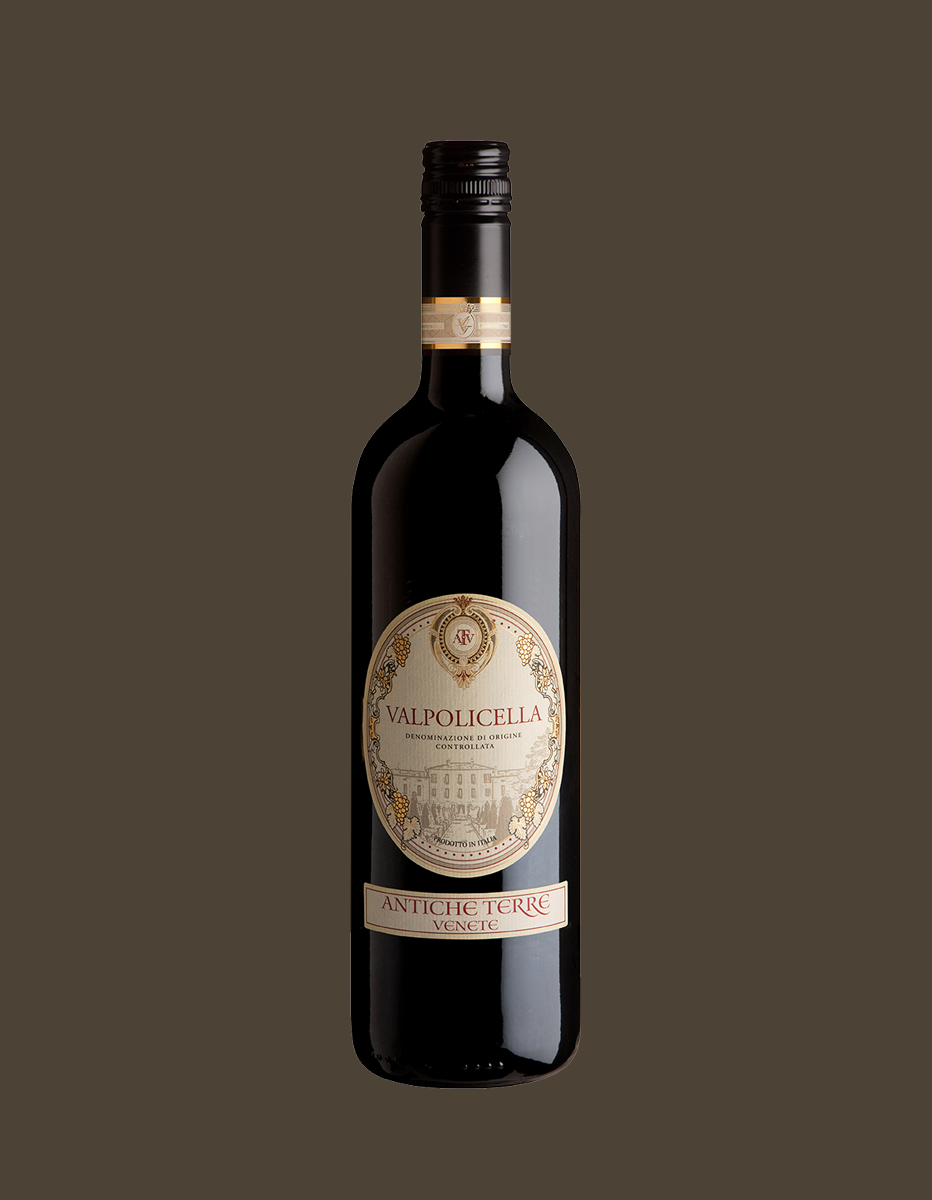
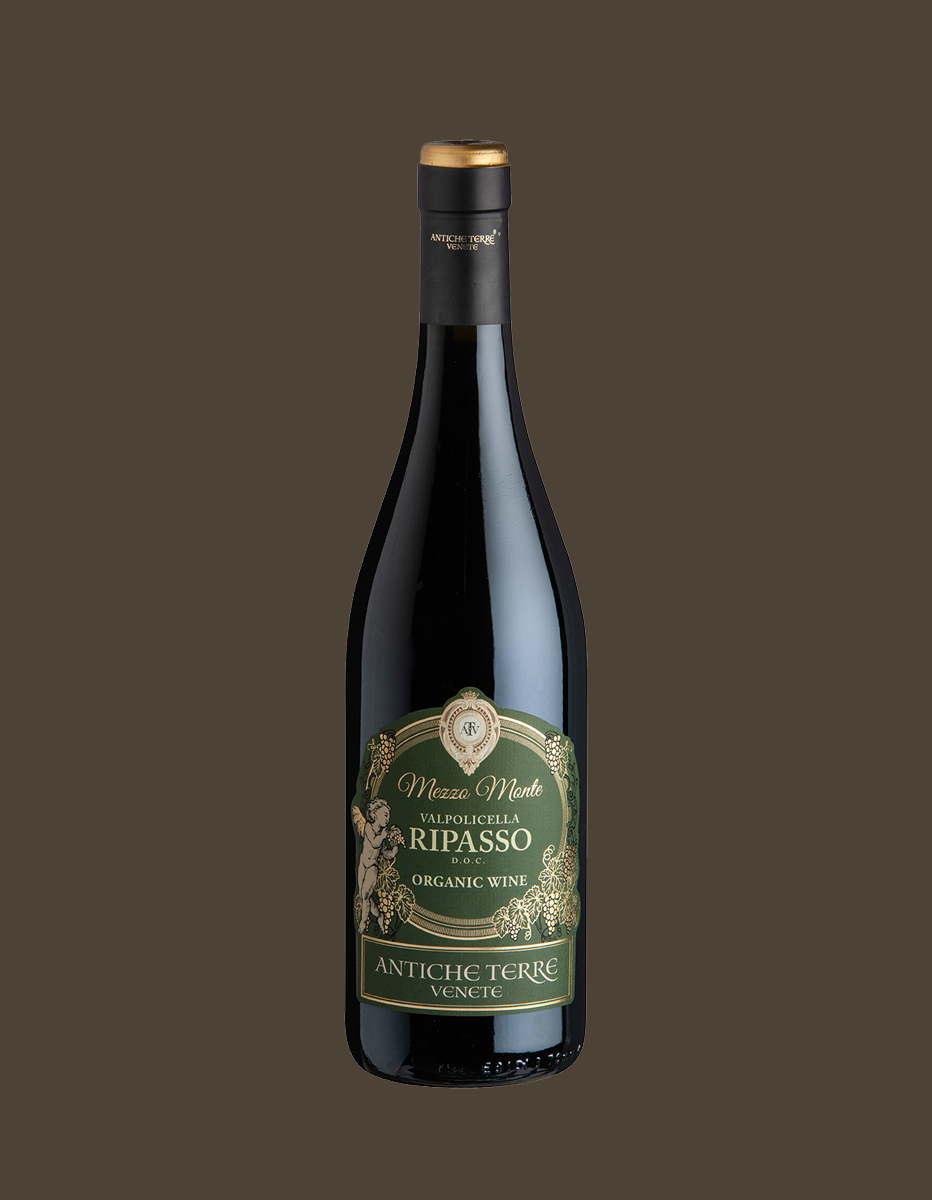
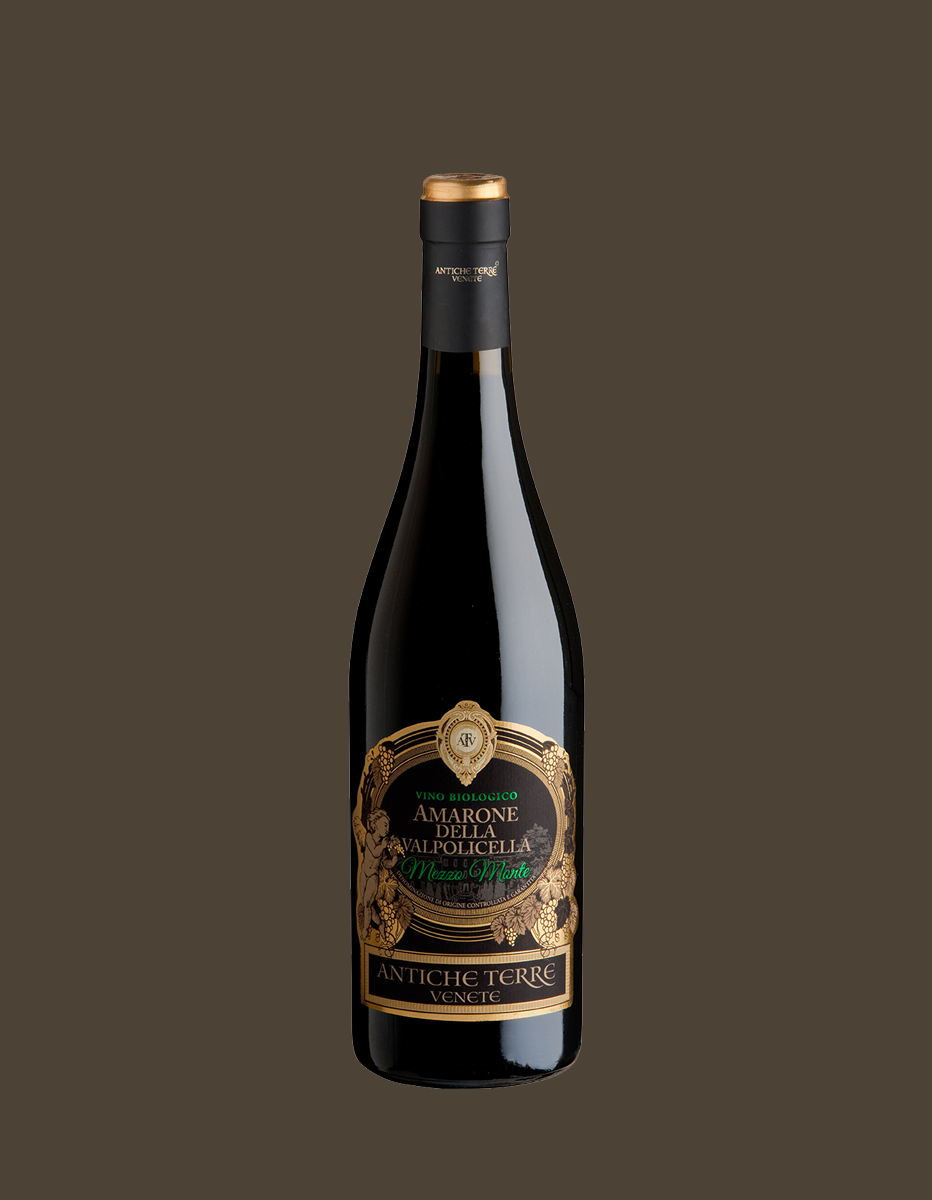
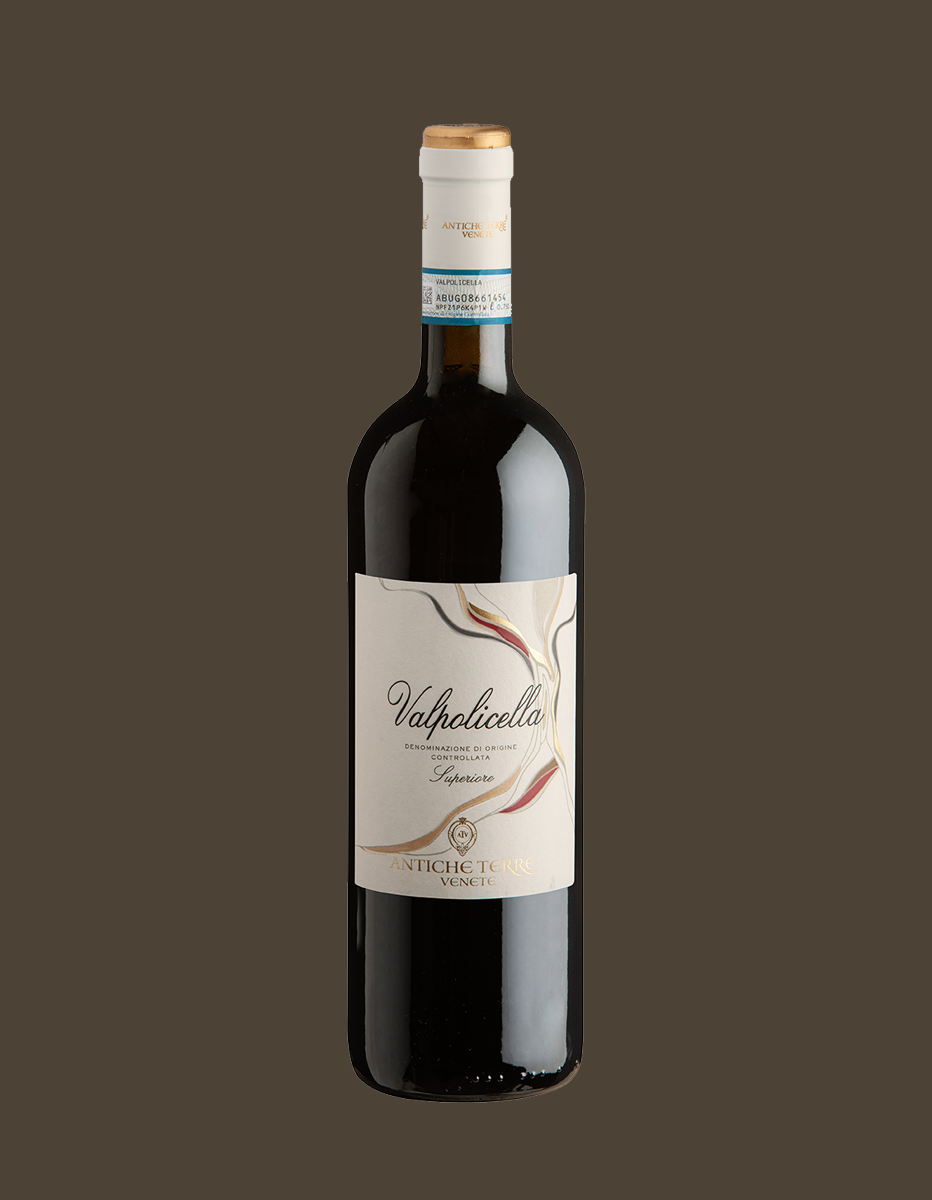
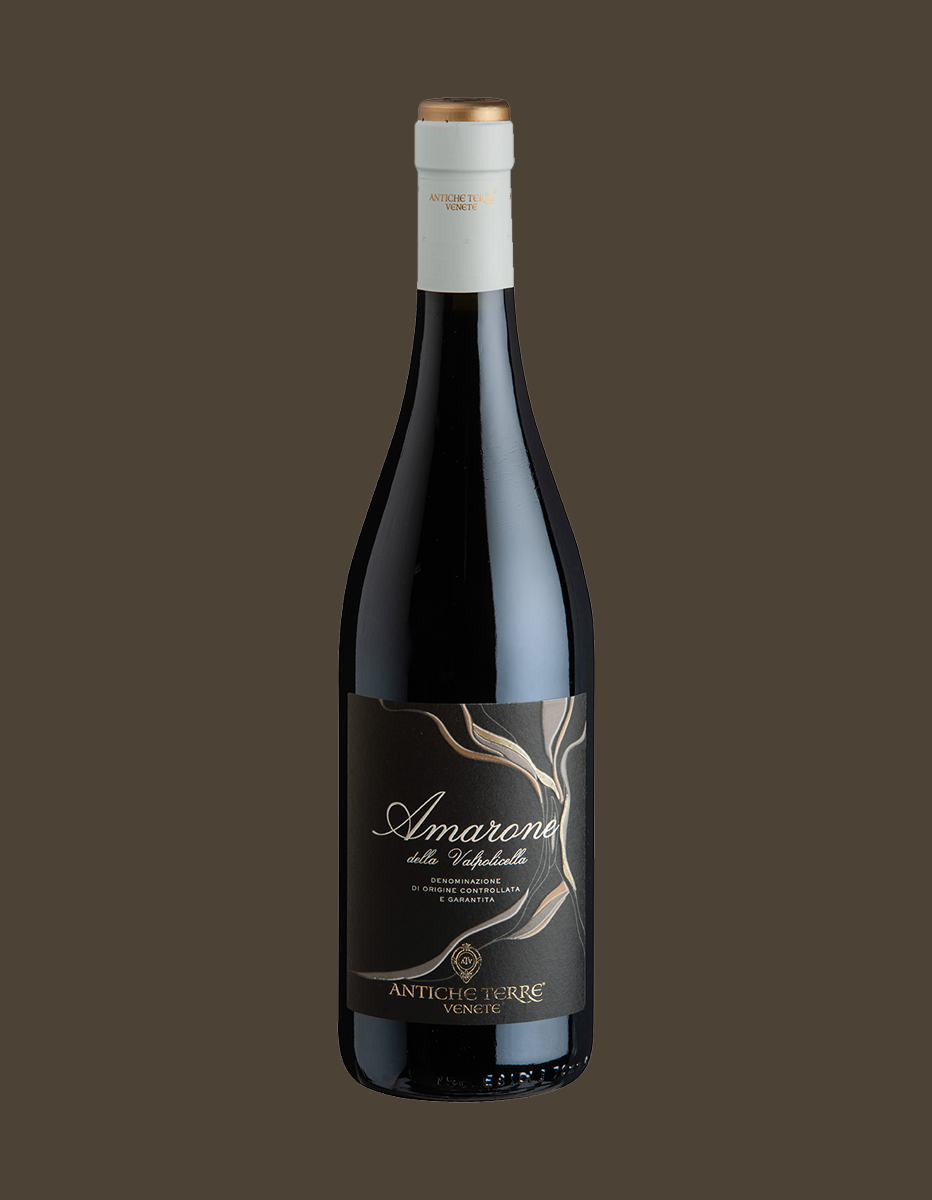
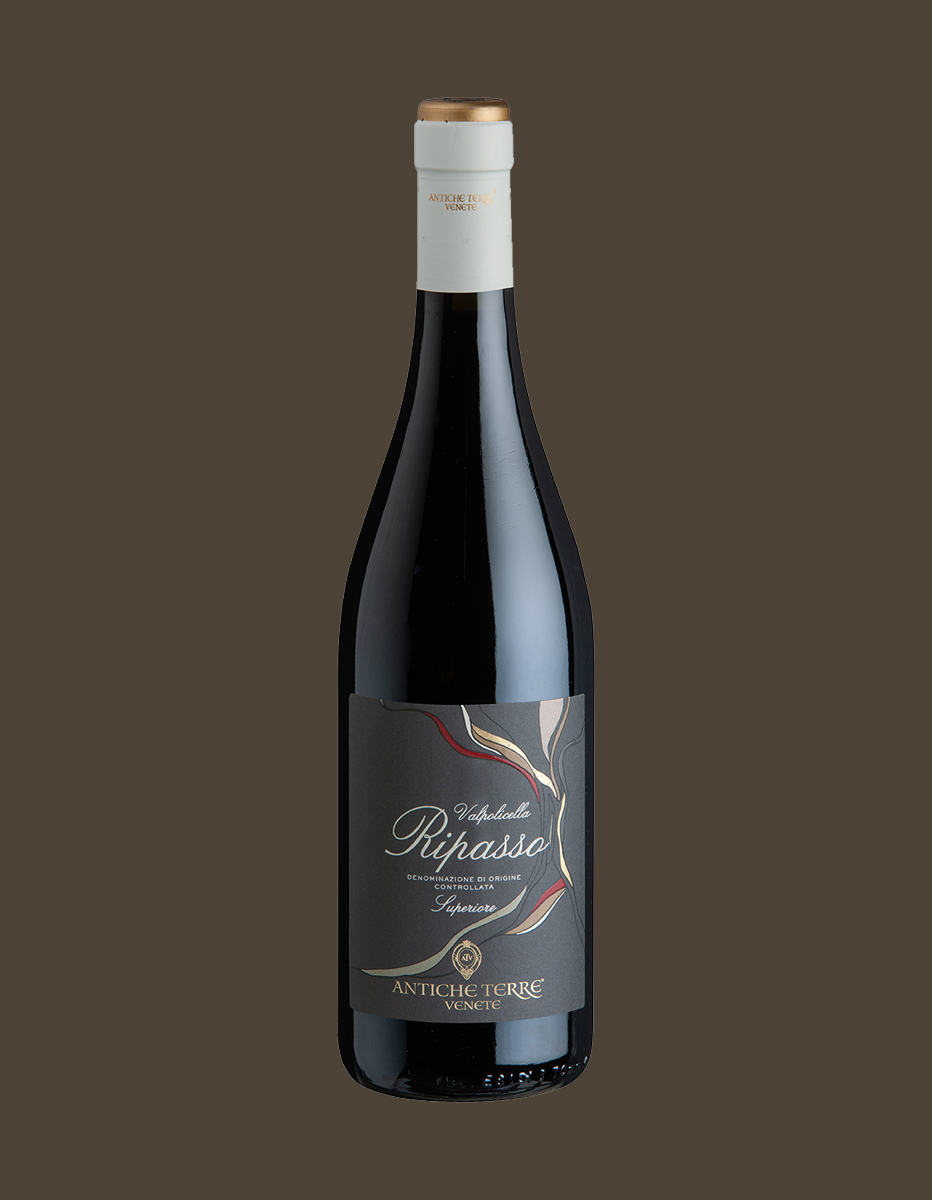
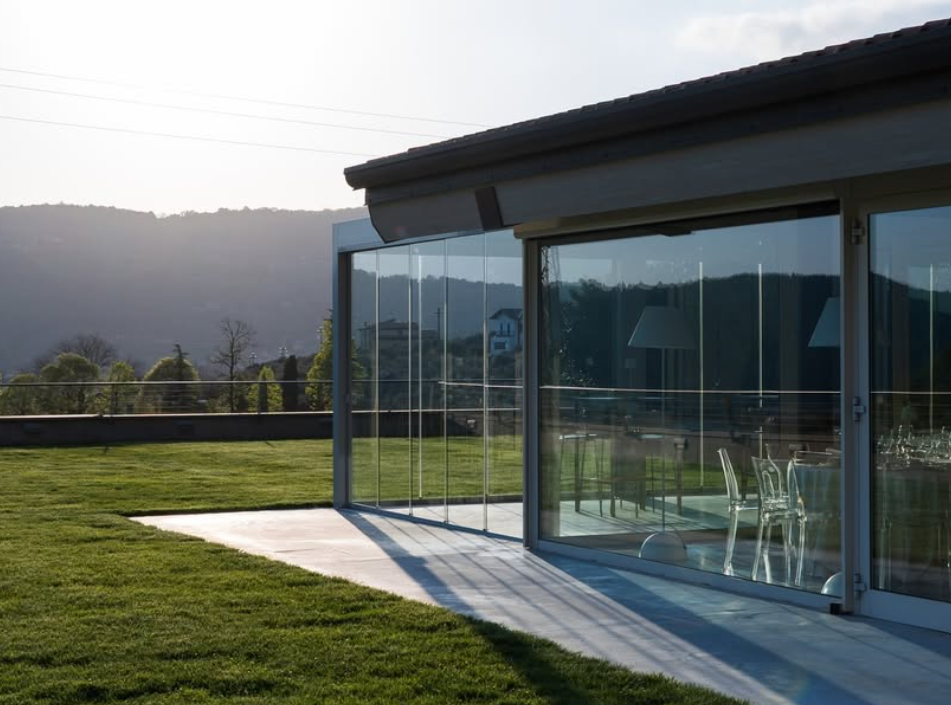
 Antiche Terre Venete is a family-run winery in the Valpantena valley, just outside Verona, in the Veneto region of Italy. It sits in the heart of the Valpolicella DOC zone, in an area historically known for the appassimento method—the traditional drying of grapes that gives the valley’s wines their distinctive concentration and character.
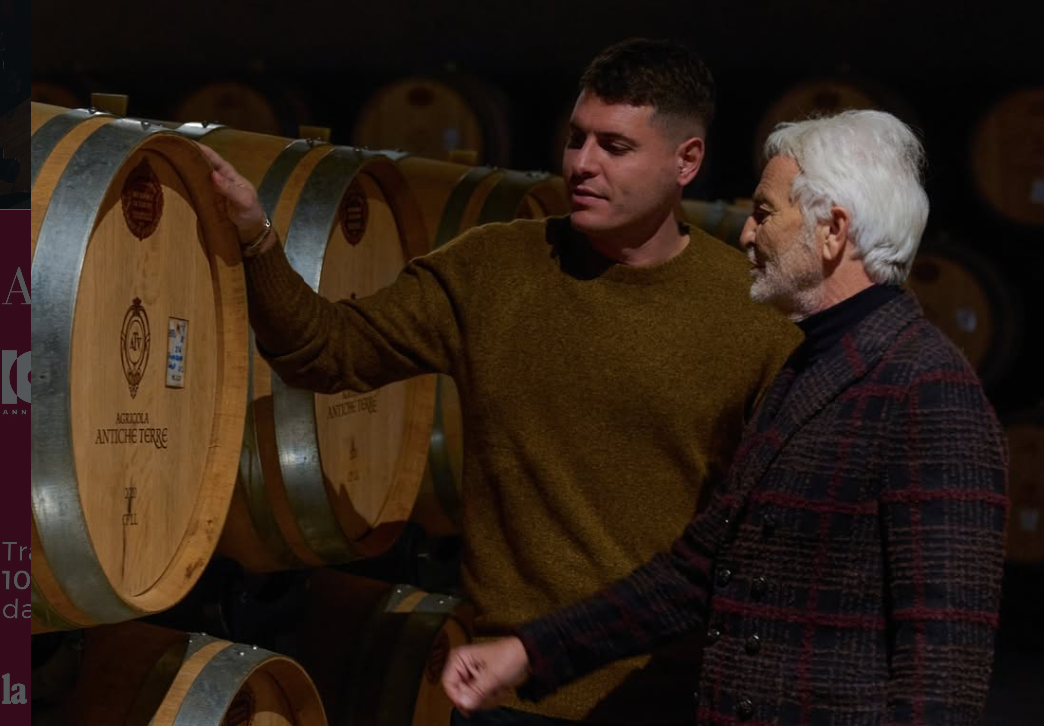 The estate’s history goes back to the early 1900s, when Vittorio Sancassasi began cultivating vineyards and olive trees on the hillsides of Valpantena. That vocation passed through generations, from his son Sergio to his grandson Luciano Sancassani, who returned from years in China and chose to follow the calling of his homeland. The modern winery was born from Luciano’s meeting with the Degani family, specifically Riccardo Degani—a partnership that united Luciano’s experience and knowledge with Riccardo’s enthusiasm and modern vision of wine.
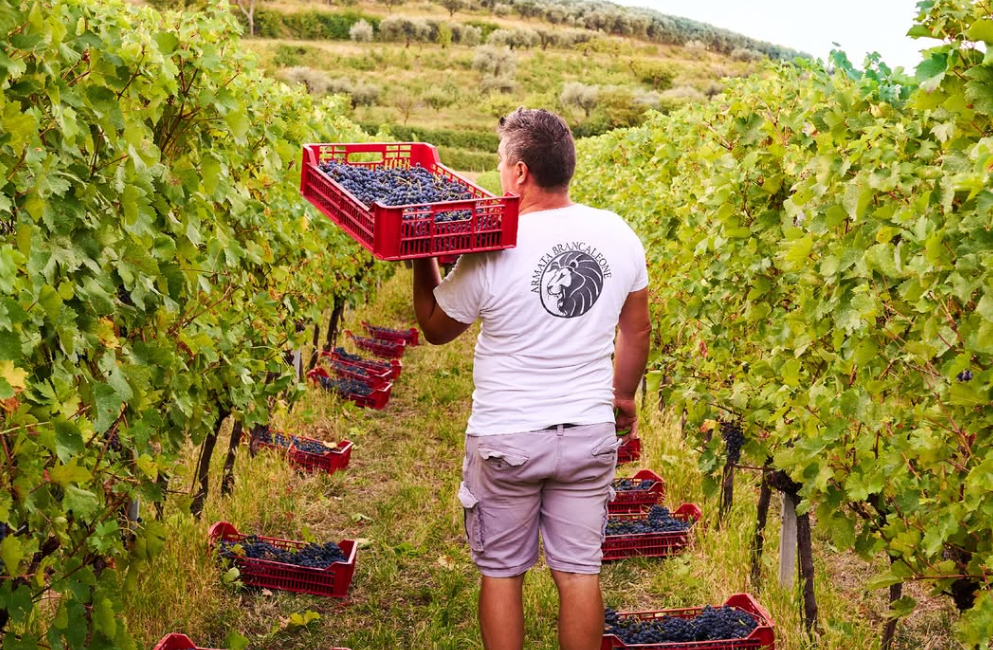 The estate tends roughly 50 hectares (123 acres) of terraced vineyards, planted with the classic Valpolicella varieties: Corvina, Corvinone, Rondinella, along with Croatina and Molinaro. The terraced hillsides sit in a natural amphitheater that provides ideal sun exposure. The winery produces approximately 1.6 million bottles annually across its range, which includes Valpolicella, Valpolicella Ripasso, and Amarone della Valpolicella.
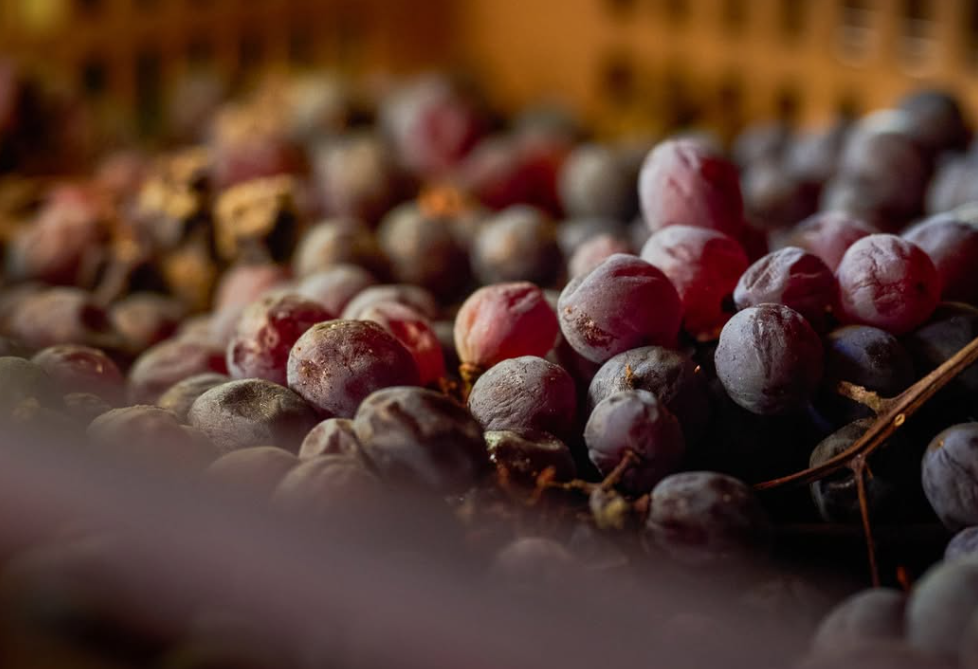 The making of Amarone reflects the estate’s commitment to patient, traditional craft. Grapes are hand-harvested and dried for three to four months in humidity-controlled lofts, concentrating sugars, aromas, and flavors while the grapes lose about a third of their water volume. The appassimento process raises the sugar content to around 25–30%, producing the rich, dense style associated with Amarone.
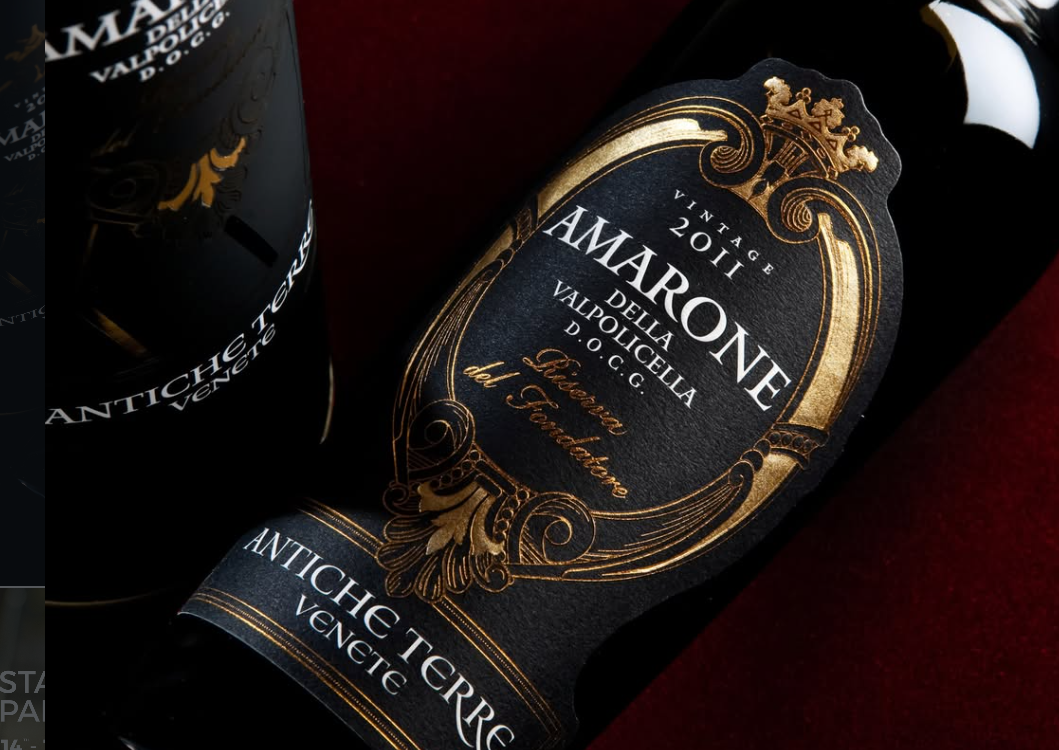 Sustainability is a working priority. The company has been pursuing a conversion to organic grape production, and in autumn 2013 it built a new winery powered entirely by modern solar-panel technology, designed to operate in as environmentally conscious a way as possible.
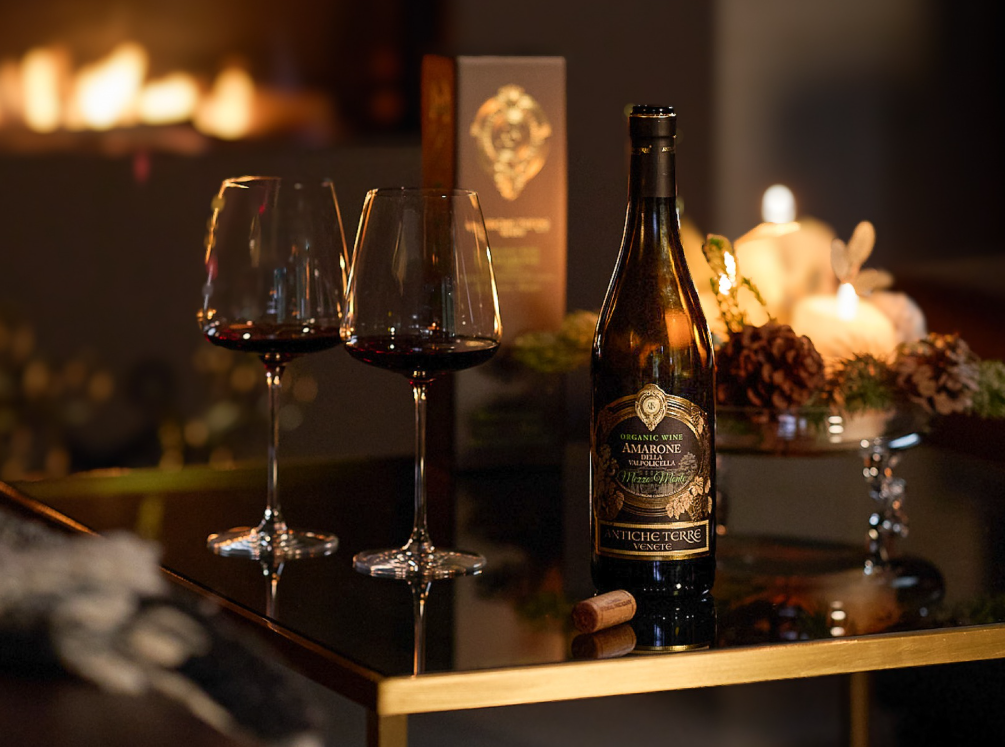 A visit to Antiche Terre Venete is built around the landscape rather than spectacle. Guests can walk among the vine rows, visit the cellar and cooperage, and take part in guided tastings designed to convey the value of time, care, and tradition behind each bottle. The atmosphere is quiet, rooted, and closely tied to the terraced estate itself—an experience shaped more by the place than by a staged presentation.


APRITALY:
AGENZIA PROMOZIONE IMPRESSE ITALIANE



 WINERY PRESENTATION